
NorthPeak Auto Transport helps customers arrange state-to-state auto transport for vehicles traveling between California and other U.S. states, subject to route and carrier availability. Whether you are relocating, buying a vehicle from another state, moving for work, or arranging seasonal transportation, our open, enclosed, and door-to-door options can help you plan your interstate shipment.
Moving a vehicle across state lines can involve significant planning, particularly when the destination is hundreds or thousands of miles away. Driving the vehicle yourself may require time off work, fuel, overnight accommodation, and additional mileage. State-to-state auto transport offers an alternative by arranging for a suitable vehicle carrier to transport your car to its destination.
NorthPeak Auto Transport helps customers explore interstate vehicle shipping options from Pasadena, California, and other eligible locations. Whether your plans involve a permanent relocation, an online vehicle purchase, a college move, or a family transition, choosing the appropriate transportation method can make the process more manageable.
State-to-state auto transport involves arranging the shipment of a vehicle from a pickup location in one U.S. state to a destination in another.
For example, a customer may need to transport a vehicle from California to Texas, Arizona, Florida, New York, or another state. The route, distance, vehicle specifications, carrier availability, and preferred dates determine the practical shipping arrangements.
Depending on the shipment, customers may be able to select open transport, enclosed transport, and door-to-door pickup and delivery arrangements.
Availability and exact service details should always be confirmed for the specific route.
Convenient long-distance transportation: Shipping a vehicle may reduce the need to drive it across multiple states yourself.
Useful for relocation: Families and professionals moving to a new state can coordinate vehicle transport alongside their other moving plans.
Support for online vehicle purchases: Interstate shipping can help buyers arrange delivery of eligible vehicles purchased from distant dealerships, auctions, or private sellers.
Options for different vehicles: Open carriers are commonly used for everyday vehicles, while enclosed carriers may be preferable for certain specialty and high-value cars.
Flexible shipment planning: Depending on availability, customers can request pickup and delivery arrangements that fit their routes and preferred dates.
Interstate car shipping can be useful for people moving for work, military personnel and families relocating under their own arrangements, college students, vehicle buyers, dealerships, and individuals coordinating vehicle transfers between family members.
It can also help owners of classic or specialty vehicles arrange transportation between states without personally driving the vehicle.
Your needs will determine the appropriate method. Consider your vehicle’s condition, route, budget, desired schedule, and protection preferences when comparing shipping options.
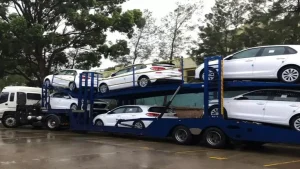
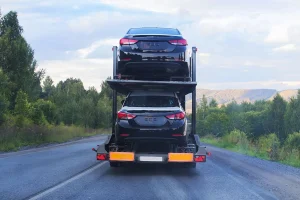
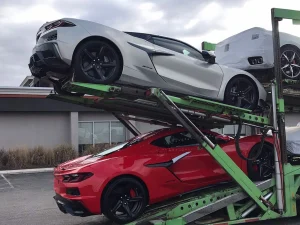
Open car transport is commonly used for standard vehicles because it is widely available and generally more economical than enclosed shipping.
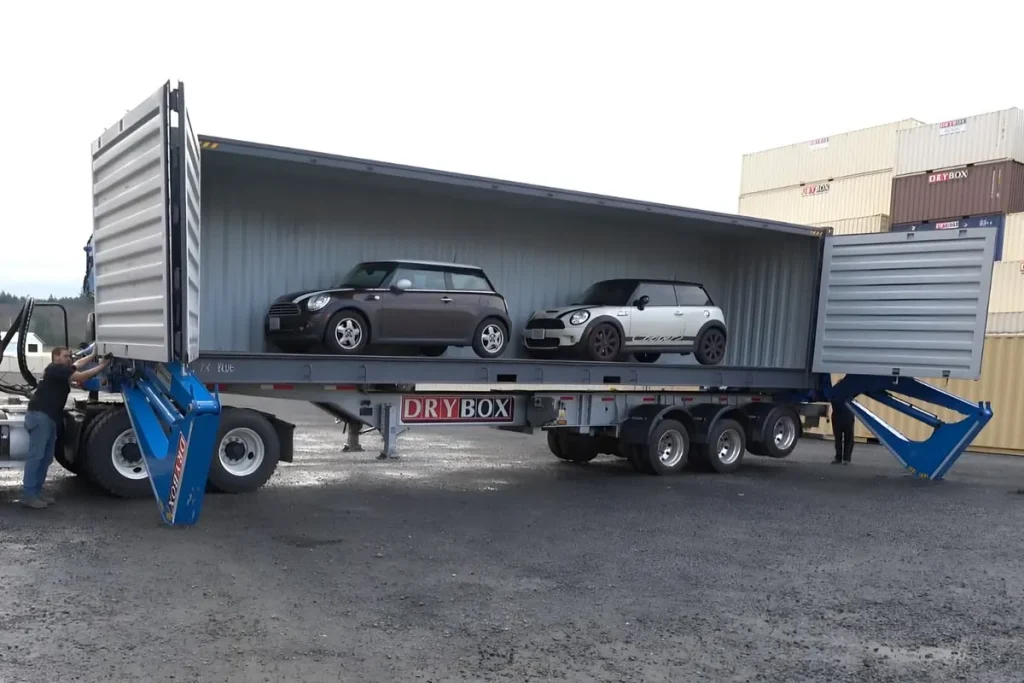
Enclosed transport places the vehicle inside a covered trailer, reducing exposure to weather and road debris. It may be suitable for collector cars, luxury automobiles, and vehicles with particular protection requirements.
The right choice depends on your priorities and the availability of appropriate equipment. Discuss any low-clearance modifications, non-running condition, unusual vehicle dimensions, or special handling requirements before accepting a quote.
Step 1: Request an interstate quote. Provide the origin and destination ZIP codes, vehicle year, make and model, condition, desired shipping method, and preferred dates.
Step 2: Review the route and quote. Compare the proposed price, pickup window, estimated transit time, carrier arrangements, payment schedule, and applicable cancellation terms.
Step 3: Confirm the booking. Make sure the agreed terms and shipment details are documented before finalizing the arrangement.
Step 4: Prepare your vehicle. Remove personal belongings unless their carriage is expressly permitted. Photograph the vehicle, disclose mechanical issues, and follow instructions about fuel, keys, and vehicle readiness.
Step 5: Coordinate pickup and delivery. Stay reachable during the agreed time windows. Confirm the meeting locations and review the vehicle condition documentation at pickup and delivery.
Several factors influence interstate vehicle shipping prices.
Distance: The route between pickup and delivery locations is a key pricing consideration.
Vehicle size: Larger vehicles may occupy more carrier space and affect transportation costs.
Transport method: Enclosed shipping generally costs more than open transport.
Route demand: Popular interstate corridors may have different carrier availability and pricing from less frequently served routes.
Timing: Seasonal demand and limited pickup windows can affect available options.
Location accessibility: Remote addresses or locations unsuitable for large carriers may require alternative meeting points or additional coordination.
Providing accurate information about all these factors helps you receive a more useful quote.
Transit times depend on distance, route conditions, weather, traffic, carrier schedules, pickup coordination, and delivery accessibility.
Short interstate routes may take less time than cross-country shipments, but there is no single delivery timeframe that applies to every route. Pickup and delivery windows should be discussed and confirmed when arranging the shipment.
If you have a deadline related to a move, job start date, or vehicle purchase, communicate it early and ask which options may be available.
Before your vehicle is collected, clean the exterior for inspection and photograph any existing damage. Remove personal belongings and loose items, check for visible mechanical issues, and disclose any condition that may affect loading.
Keep your booking details and required keys available. Confirm the pickup address, destination, contact information, and arrangements for receiving the vehicle.
At delivery, inspect the vehicle and compare its condition with the original documentation. Document and report any concerns according to the applicable carrier and shipment procedures.
NorthPeak Auto Transport helps customers explore transportation options based on their vehicle, route, and preferred schedule. We aim to make interstate shipment planning more straightforward through clear information about quotes, carrier arrangements, vehicle preparation, and delivery coordination.
Every shipment has different requirements, so discussing your specific route is the best starting point.
Planning to ship your car from California to another state or between other eligible U.S. locations? Contact NorthPeak Auto Transport to discuss your vehicle and route.
Call: (626) 654-3568
Find answers to some common questions about car shipping and vehicle transportation.
The cost of auto transport depends on the shipping distance, vehicle size and weight, selected transport method, route demand, pickup accessibility, and requested schedule. Enclosed transport generally costs more than open transport. Request a quote with your shipment details for an estimate.
Transit time varies according to distance, route, carrier availability, weather, traffic, and pickup or delivery arrangements. Your estimated timeframe should be confirmed when your shipment is scheduled.
Open transport carries vehicles on an exposed carrier and is generally the more economical option. Enclosed transport uses a covered trailer that provides additional protection from weather and road debris.
Door-to-door service may be available near your requested pickup and delivery addresses. Actual locations depend on road access, local restrictions, carrier size, and safe loading conditions. A nearby meeting point may be necessary.
Remove personal belongings and unnecessary accessories, clean the vehicle, document its existing condition with photographs, check for leaks, and leave only the agreed amount of fuel. Follow the specific preparation instructions provided for your shipment.