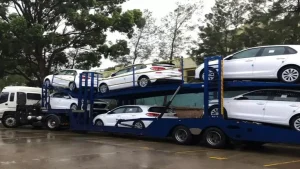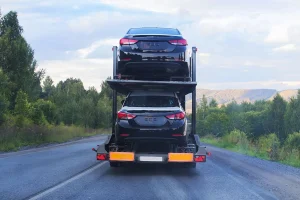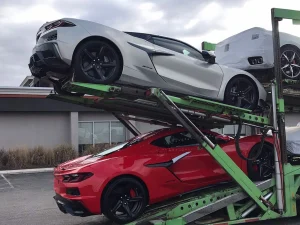

NorthPeak Auto Transport offers open car transport for customers who need a practical and economical way to move vehicles between locations. Open carriers are widely used to ship sedans, SUVs, pickup trucks, and other eligible vehicles across California and between states. Whether you are relocating, purchasing a car remotely, or arranging transportation for a family member, open auto transport provides a convenient option for many everyday vehicle shipping needs.
When you need to move a vehicle from one location to another, choosing the right transportation service can make planning easier. NorthPeak Auto Transport provides open car transport as an option for customers arranging vehicle shipping from Pasadena, California, and other eligible pickup locations.
Open auto transport is one of the most commonly used methods of vehicle transportation. It allows cars to be loaded onto specialized open carriers and transported along established road routes. For many standard passenger vehicles, this approach offers a practical balance between convenience, availability, and transportation cost.
Whether you are moving to another city, buying a vehicle from a distant seller, sending a car to a family member, or organizing a long-distance relocation, open car transport can help simplify your plans.
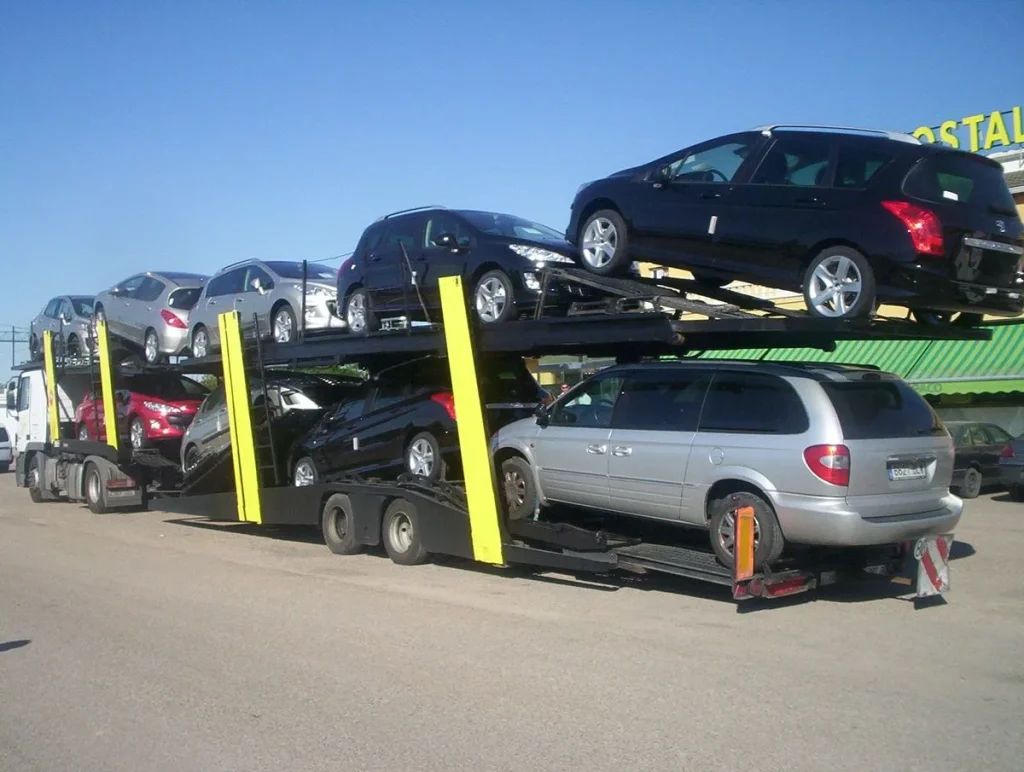
Open car transport uses a carrier without a fully enclosed trailer. Vehicles are secured on designated transport platforms and carried to their destination.
Depending on the equipment and shipment, carriers can accommodate several vehicles on the same trip. This makes open transport a widely available choice for many common routes.
Because the vehicle travels in an open environment, it is exposed to ordinary outdoor conditions, including rain, dust, sunlight, and road debris. Customers should consider this when choosing between open and enclosed transport.
A practical shipping option: Open transport is often less expensive than enclosed transportation. It can be an attractive option for customers who want to manage shipping expenses while arranging the movement of an everyday vehicle.
Broad route availability: Open carriers are commonly used on major transportation corridors, which can make them suitable for local, regional, and interstate shipments, depending on availability.
Suitable for many vehicle types: Standard sedans, hatchbacks, SUVs, minivans, and many pickup trucks can be transported using appropriate open-carrier equipment.
Convenient for relocation: If you are moving for work, education, family commitments, or a change of residence, transporting your vehicle can reduce the need to drive it over a long distance yourself.
Open transport may be a suitable choice for people shipping everyday vehicles, recently purchased cars, family vehicles, and many dealership or personal vehicle shipments.
It can also be useful for customers arranging transportation between California and other states.
However, the best option depends on the vehicle’s condition, dimensions, ground clearance, and special handling requirements. Modified vehicles, non-running vehicles, and cars with unusually low clearance may require equipment that is not available on every carrier.
If you own a classic, collectible, exotic, or particularly valuable vehicle, consider whether enclosed transport offers protection that better matches your needs.
Step 1: Request a quote. Provide your pickup and delivery locations, vehicle details, preferred shipping dates, and any special requirements. Accurate information helps establish an appropriate transportation arrangement.
Step 2: Review the shipment details. Before confirming, review the quote, proposed schedule, payment terms, carrier arrangements, and any applicable cancellation conditions.
Step 3: Prepare your vehicle. Remove personal belongings unless expressly permitted, clean the exterior for inspection, document existing damage, and follow instructions regarding fuel, keys, and vehicle readiness.
Step 4: Coordinate pickup. Confirm the pickup location and timing. If a large carrier cannot safely access your street, a nearby meeting point may be required.
Step 5: Arrange delivery. Stay available for communication and inspect the vehicle when it arrives. Compare its condition with the pickup documentation and promptly report any concerns according to the applicable process.
Open car transport pricing depends on the shipping distance, vehicle dimensions, route demand, carrier availability, pickup and delivery accessibility, and scheduling preferences.
Longer shipments may have a lower price per mile than shorter shipments, but total pricing varies by route. Larger vehicles may require additional carrier space, and remote pickup locations can affect availability.
For the most useful estimate, provide complete shipment details and compare the actual terms of available transportation arrangements rather than relying on a generic price.
Before pickup, remove loose items, document the vehicle’s exterior condition, check for visible leaks, and disclose any mechanical problems. Follow the carrier’s specific instructions about fuel level and vehicle accessibility.
At pickup, review the condition report and keep a copy of the documentation. At delivery, inspect the vehicle and document any apparent damage before completing the applicable reporting process.
NorthPeak Auto Transport helps customers explore open vehicle shipping options according to their routes, vehicle types, and scheduling needs. We aim to make the process easier to understand by encouraging accurate quote requests, clear shipment details, and communication throughout the arrangement.
If you are planning to ship a car from Pasadena or arrange an interstate shipment, our team can discuss the transportation options that may suit your requirements.
Planning a vehicle shipment? Contact NorthPeak Auto Transport to discuss your pickup location, destination, vehicle, and preferred shipping dates.
Call: (626) 654-3568
CTA: Get a Quote for Open Car Transport
Find answers to some common questions about car shipping and vehicle transportation.
The cost of auto transport depends on the shipping distance, vehicle size and weight, selected transport method, route demand, pickup accessibility, and requested schedule. Enclosed transport generally costs more than open transport. Request a quote with your shipment details for an estimate.
Transit time varies according to distance, route, carrier availability, weather, traffic, and pickup or delivery arrangements. Your estimated timeframe should be confirmed when your shipment is scheduled.
Open transport carries vehicles on an exposed carrier and is generally the more economical option. Enclosed transport uses a covered trailer that provides additional protection from weather and road debris.
Door-to-door service may be available near your requested pickup and delivery addresses. Actual locations depend on road access, local restrictions, carrier size, and safe loading conditions. A nearby meeting point may be necessary.
Remove personal belongings and unnecessary accessories, clean the vehicle, document its existing condition with photographs, check for leaks, and leave only the agreed amount of fuel. Follow the specific preparation instructions provided for your shipment.