
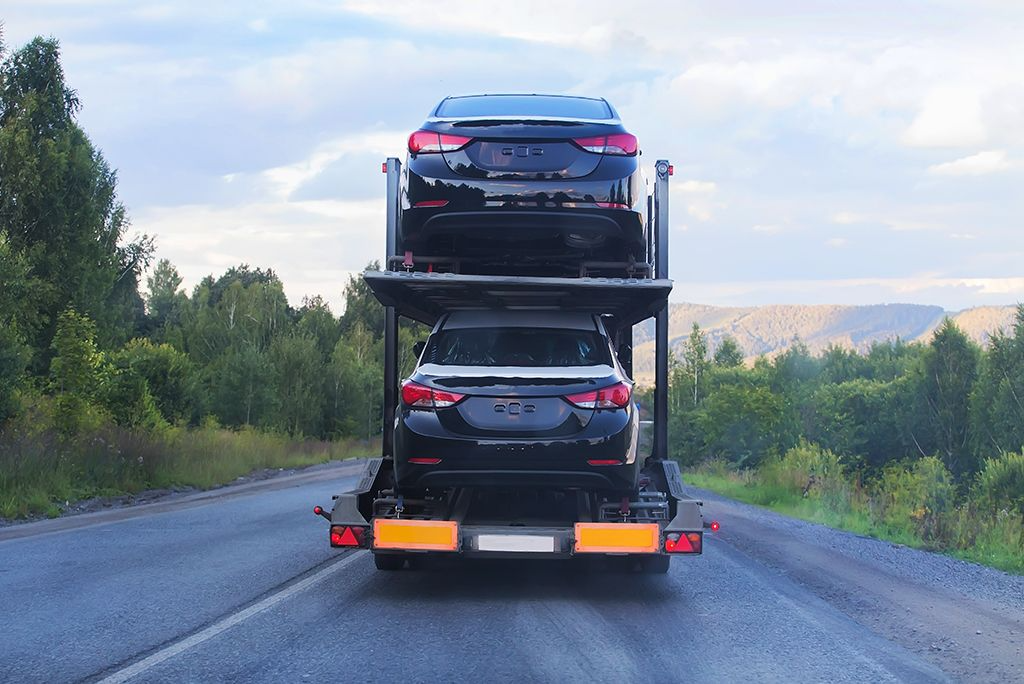
Shipping a car can be a convenient solution when relocating, buying a vehicle from another state, or transporting a car to a family member. However, one of the first questions customers ask is how much it costs to ship a car in California.
The price of auto transport varies depending on several factors, including the distance between pickup and delivery locations, the type of vehicle, the transportation method, and the timing of the shipment. Understanding these factors can help you compare options and plan your transportation budget.
NorthPeak Auto Transport helps customers explore open car transport, enclosed car transport, door-to-door delivery, and state-to-state auto transport options.
1. Shipping distance and route
Distance is an important factor in determining vehicle shipping costs. A short shipment within California will generally have different pricing from a shipment traveling from California to the East Coast.
However, cost does not always increase in direct proportion to mileage. Longer routes may offer better pricing per mile because carriers can transport multiple vehicles along established transportation corridors.
Routes with frequent carrier traffic may also offer more scheduling flexibility than routes serving remote areas.
When requesting a quote, provide accurate pickup and delivery addresses or ZIP codes so the transportation arrangements can be evaluated properly.
2. Open versus enclosed car transport
The type of carrier you choose affects your overall shipping cost.
Open car transport is widely used for standard passenger vehicles. Cars are transported on open carriers, making this a practical option for many everyday shipping needs.
Enclosed car transport uses a covered trailer. This option may be appropriate for classic cars, luxury vehicles, collectibles, and vehicles that require additional protection from exposure to weather and road debris.
Enclosed transport typically costs more because covered equipment has different operating costs and capacity considerations.
Consider your vehicle’s value, condition, and transportation requirements before choosing a service.
3. Vehicle size and weight
A compact sedan usually takes up less carrier space than a large SUV, pickup truck, or oversized vehicle. Larger and heavier vehicles may increase transportation costs because they occupy more space and can affect carrier capacity.
Modified vehicles, low-clearance sports cars, and vehicles with non-running conditions may require special equipment or additional handling.
Always disclose relevant vehicle details when requesting a quote. Accurate information helps reduce the risk of unexpected changes to the transportation arrangement.
4. Pickup and delivery locations
Pickup and delivery accessibility can influence pricing and scheduling. Major roads and accessible urban locations may be easier for carriers to reach than narrow streets, restricted residential areas, or remote properties.
Although door-to-door auto transport is a convenient option, the carrier may need to use a nearby parking lot or another safe meeting location if the requested street is unsuitable for a large transport truck.
Providing clear location details in advance helps the shipment proceed more smoothly.
5. Seasonal demand and scheduling
Car shipping demand changes throughout the year. Relocation seasons, holidays, college moves, and winter migration can influence carrier availability and prices on particular routes.
Flexible pickup dates may give you more transportation options. If you need a vehicle delivered within a strict timeframe, communicate that requirement before confirming your shipment.
Avoid choosing a service based on price alone. Compare the full terms, estimated pickup window, delivery arrangements, and applicable cancellation policies.
6. How to get an accurate car shipping quote
Before requesting a quote, prepare the following information:
-
Your pickup and delivery ZIP codes.
-
Vehicle year, make, model, and approximate condition.
-
Your preferred pickup dates.
-
Whether you prefer open or enclosed transport.
-
Any special loading requirements.
-
Whether the vehicle runs and drives normally.
Review the quote carefully and ask about deposits, payment timing, cancellation terms, insurance arrangements, and potential additional charges.
Conclusion
The cost of shipping a car in California depends on your route, vehicle, carrier type, schedule, and pickup or delivery requirements. Comparing suitable transportation options can help you balance price, convenience, and protection.
If you are planning a vehicle shipment from Pasadena, California, contact NorthPeak Auto Transport at (626) 654-3568 to discuss your requirements and request a quote.