
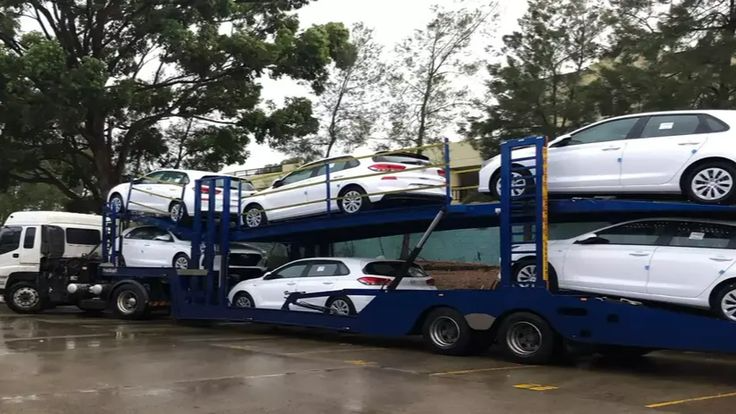
When arranging vehicle transportation, choosing the right carrier is an important decision. Two common options are open car transport and enclosed car transport. Both can move vehicles between locations, but they offer different levels of exposure, pricing, and suitability for particular vehicles.
The right choice depends on your budget, the type of vehicle you are shipping, its value, and your transportation preferences.
What is open car transport?
Open car transport uses a vehicle carrier without enclosed walls or a roof. Multiple vehicles are secured on the carrier and transported along the selected route.
This method is widely used for everyday vehicles, including sedans, SUVs, and pickup trucks.
Advantages of open transport include:
-
Generally lower transportation costs than enclosed shipping.
-
Broad availability on many popular routes.
-
A practical solution for standard daily-use vehicles.
-
Efficient transportation for many common vehicle types.
Because the carrier is open, the vehicle is exposed to normal outdoor conditions, including rain, dust, and road debris. This exposure is a standard consideration when selecting open transport.
What is enclosed car transport?
Enclosed car transport uses a covered trailer to carry vehicles inside a protected space. It is often selected for classic automobiles, luxury cars, collector vehicles, and other vehicles for which reducing environmental exposure is a priority.
Advantages of enclosed transport include:
-
Protection from direct exposure to weather during transit.
-
Reduced exposure to road debris compared with open carriers.
-
A suitable option for many high-value or specialty vehicles.
-
Potential access to specialized loading equipment for certain vehicles.
Enclosed shipping generally costs more than open transport. Availability, trailer capacity, route coverage, and specialized handling requirements may also affect the quote.
A covered trailer does not eliminate every transportation risk, so customers should still review the carrier’s insurance arrangements and shipping documentation.
Cost comparison
Open transport is generally the more economical option because open carriers are widely used and can accommodate multiple vehicles.
Enclosed transport often involves higher operating costs and different equipment requirements. The price difference depends on the route, vehicle dimensions, timing, and availability of suitable carriers.
Instead of comparing prices alone, consider what each option includes and whether the added protection of an enclosed trailer is worth the additional cost for your vehicle.
Which option is right for your vehicle?
Choose open transport if:
-
You are shipping a standard daily-use car.
-
Your priority is keeping transportation costs manageable.
-
You are comfortable with the vehicle being exposed to normal outdoor conditions.
-
Your route has suitable open-carrier availability.
Consider enclosed transport if:
-
You are shipping a classic or collector car.
-
Your vehicle has a specialty finish or high monetary value.
-
You want to reduce exposure to weather and road debris.
-
Your vehicle’s handling or protection requirements make a covered carrier preferable.
Your vehicle’s condition also matters. A modified car with very low ground clearance may require a carrier with suitable loading equipment regardless of whether the trailer is open or enclosed.
How to prepare for either shipping method
Before pickup, remove personal belongings and loose accessories. Take photographs of the vehicle from multiple angles and record any existing scratches, dents, or other damage.
Check that the vehicle’s condition and any mechanical issues have been disclosed. Follow the carrier’s instructions regarding fuel levels, keys, alarms, and access to the vehicle.
At pickup and delivery, review the condition documentation and report any concerns according to the applicable shipping agreement.
Conclusion
Open and enclosed car transport serve different needs. Open shipping is often a cost-effective solution for everyday vehicles, while enclosed shipping offers additional protection for specialty and high-value automobiles.
NorthPeak Auto Transport offers both options for customers arranging vehicle transportation. Contact (626) 654-3568 to discuss your vehicle, route, and preferred shipping method.