
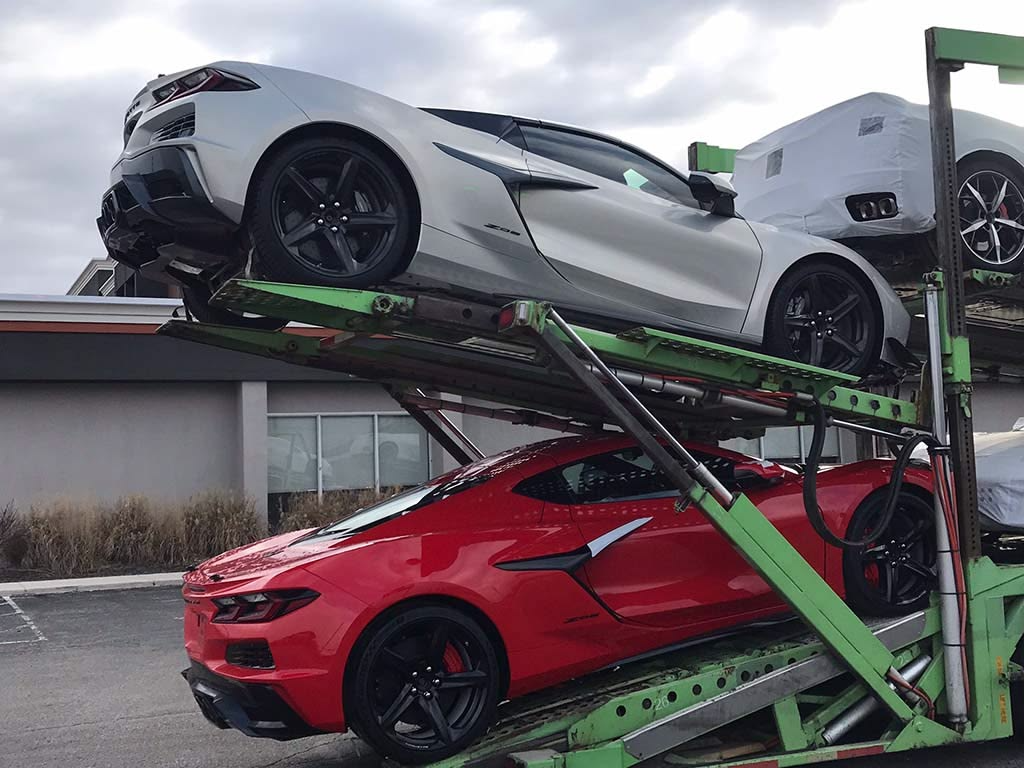
Preparing your vehicle before shipping can help make the transportation process more organized and reduce avoidable delays. Whether you are moving from California to another state, purchasing a vehicle remotely, or arranging transportation for a family member, a little preparation can make pickup and delivery easier.
NorthPeak Auto Transport helps customers arrange long-distance vehicle shipping through open transport, enclosed transport, door-to-door delivery, and state-to-state auto transport.
Here are the essential steps to consider before your vehicle is collected.
1. Clean your vehicle before inspection
Wash the exterior before the scheduled pickup whenever practical. Dirt and dust can make existing scratches, dents, paint chips, and other imperfections more difficult to identify.
You do not necessarily need professional detailing. The goal is to make the vehicle’s exterior condition easier to inspect and document.
Clean the interior if necessary, particularly if there are items that need to be removed before transport.
2. Photograph the vehicle’s condition
Take clear photographs of the vehicle from the front, rear, both sides, and each corner. Capture close-up photographs of existing damage, including scratches, dents, cracked lights, or damaged trim.
Keep the photographs with your shipping documents so you can refer to them later.
Review the vehicle condition report or inspection documentation at pickup. At delivery, compare the vehicle’s condition with the earlier record and promptly document any apparent discrepancies.
Follow the applicable claims process if you identify possible transit-related damage.
3. Remove personal belongings
Unless your specific shipping arrangement expressly permits certain items, remove personal belongings from the vehicle before pickup.
Examples include:
-
Luggage and clothing.
-
Electronics and valuable accessories.
-
Important documents.
-
Loose items in the trunk or cabin.
-
Garage remotes and unnecessary removable equipment.
Personal belongings may not be covered by the carrier’s cargo insurance and can create additional safety or regulatory concerns. Confirm the applicable rules before placing anything in the vehicle.
4. Check the fuel level and mechanical condition
For a vehicle that runs and drives normally, carriers commonly request that the fuel tank be kept at a low but sufficient level for loading and unloading. Follow your specific carrier’s instructions rather than assuming one fuel level applies to every shipment.
Check for visible fluid leaks, tire problems, and other mechanical issues. Inform the transportation provider if the vehicle does not start, has a dead battery, cannot steer, or cannot brake properly.
Non-running vehicles may require winches, specialized equipment, or additional fees.
5. Remove or secure loose accessories
Loose spoilers, removable roof racks, fragile external accessories, and other items that could become detached should be removed or secured where appropriate.
Retract or secure antennas and folding mirrors when the vehicle’s design permits. Confirm any special instructions for aftermarket modifications, roof equipment, or unusually low ground clearance.
Do not make modifications that could interfere with safe loading or transportation.
6. Keep keys and documents ready
Provide the required keys and access devices according to the carrier’s instructions. Keep your personal identification, booking details, contact information, and relevant vehicle documents accessible.
If someone else will meet the driver, confirm that person is authorized to coordinate pickup or delivery and knows the agreed arrangements.
7. Confirm pickup and delivery details
Verify the pickup and destination addresses, contact numbers, and scheduled time windows. Ask whether a large transport truck can safely access the requested locations.
If your street has parking restrictions, narrow turns, low clearance, or other access limitations, discuss them in advance. A nearby safe meeting point may be necessary.
Keep your phone accessible during the pickup and delivery windows so you can respond to scheduling updates.
8. Inspect the vehicle at delivery
Once your vehicle arrives, inspect it in a safe location with adequate lighting. Compare its condition against your photographs and the original inspection report.
If you notice potential new damage, document it with photographs and follow the reporting requirements in your transportation agreement before signing any documents that acknowledge delivery condition. If you must sign promptly, clearly record the observed concern on the delivery paperwork and retain a copy.
Contact the appropriate carrier or claims representative according to the agreed process.
Conclusion
Preparing your vehicle for long-distance auto transport involves cleaning, documenting its condition, removing belongings, checking mechanical readiness, and confirming pickup and delivery arrangements.
These practical steps can help you feel more organized throughout your shipment. If you are arranging state-to-state vehicle shipping from Pasadena, California, contact NorthPeak Auto Transport at (626) 654-3568 to discuss your transportation needs.